Why Study In Sri Lanka?
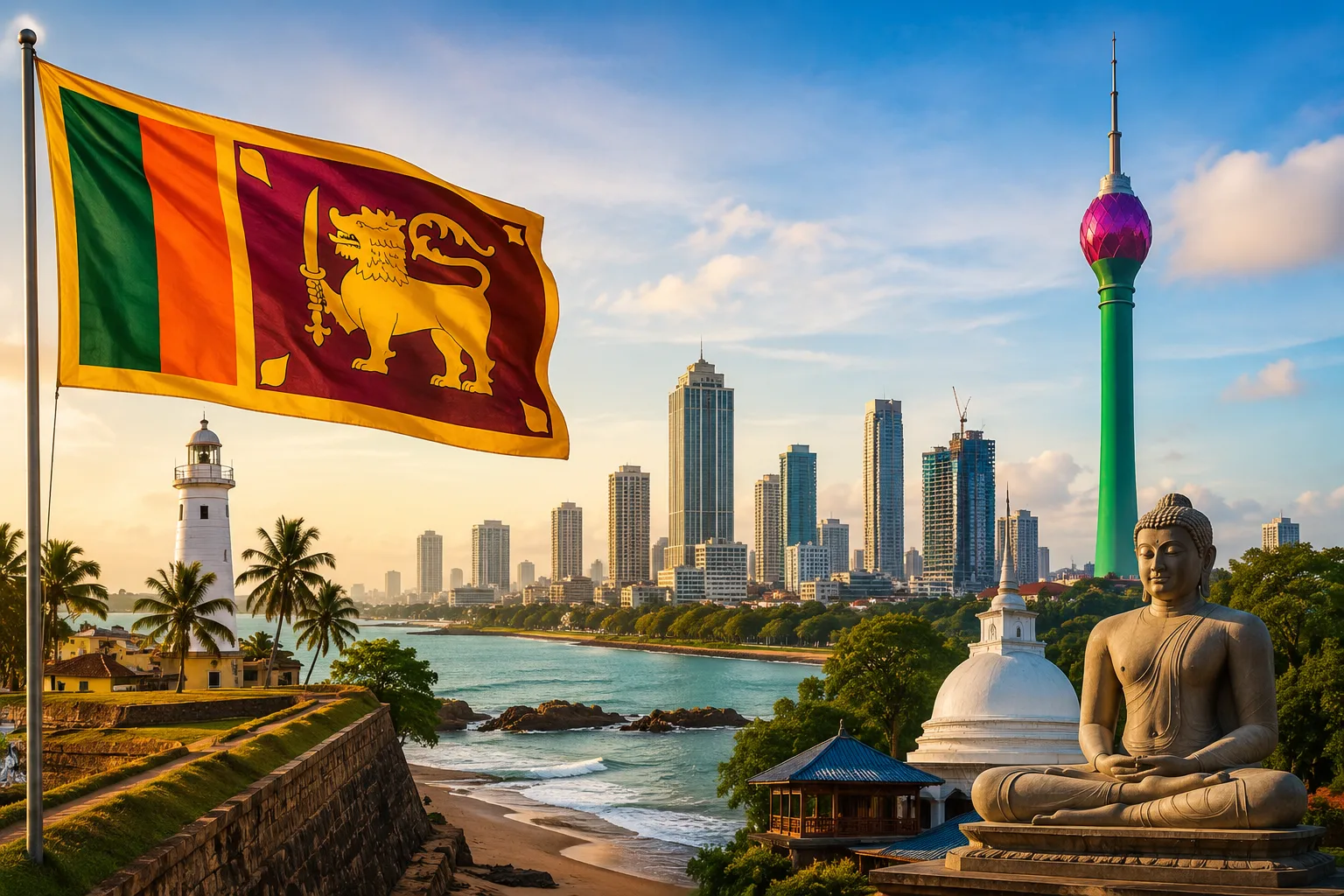
Sri Lanka
Sri Lanka is emerging as a preferred destination for international students seeking quality education, affordable tuition fees, and a culturally enriching learning experience. The country offers a diverse range of academic programmes through public universities, private institutions, professional colleges, and international university partnerships. Students benefit from a balanced educational approach that combines academic excellence, practical training, industry exposure, and career-focused learning across disciplines such as business, information technology, healthcare, engineering, tourism, and social sciences.
Known for its welcoming communities and rich cultural heritage, Sri Lanka provides an environment that supports both personal and professional growth. The country also offers growing opportunities in research, innovation, internships, and skill development, helping students build strong career foundations. Combined with lower living costs, comprehensive student support services, and internationally recognised qualifications, Sri Lanka presents an excellent option for students seeking a valuable and affordable international education experience.
Key Highlights of Sri Lanka
Requirements In Sri Lanka
International students planning to study in Sri Lanka must meet the admission requirements established by their chosen university and programme. Requirements may vary depending on the institution, level of study, and academic discipline. Preparing the necessary documents and understanding eligibility criteria in advance can help ensure a smooth application process.
Academic Requirements
Admission requirements in Sri Lanka differ according to the university, course type, and programme level. For undergraduate programmes, applicants are generally required to have completed Class 12, GCE A Levels, International A Levels, IB Diploma, or an equivalent qualification recognised by the university.
Competitive programmes such as medicine, dentistry, engineering, information technology, pharmacy, nursing, and health sciences often require strong academic performance in relevant subjects and may have additional eligibility criteria.
For postgraduate programmes, applicants typically need a recognised bachelor's degree in a related field. Certain master's and doctoral programmes may also require professional experience, research experience, interviews, entrance examinations, portfolios, or research proposals depending on the area of study.
English Language Requirements
English is widely used as the medium of instruction in many Sri Lankan universities and higher education institutions. International students whose first language is not English may be required to demonstrate language proficiency through recognised examinations.
Accepted English language qualifications may include:
- IELTS (International English Language Testing System)
- TOEFL (Test of English as a Foreign Language)
- PTE Academic (Pearson Test of English)
- Cambridge English Qualifications
Some institutions may accept proof of previous English-medium education as an alternative. Universities may also conduct internal English language assessments or offer foundation and language support programmes for students who require additional preparation.
Visa Requirements
International students require a valid passport and the appropriate student visa or study permit to pursue education in Sri Lanka. The visa application process generally begins after receiving an official admission offer from a recognised educational institution.
Students may be required to submit:
- Admission or offer letter
- Valid passport
- Completed visa application form
- Passport-sized photographs
- Proof of financial capability
- Medical documentation (if required)
- Additional documents requested by immigration authorities
Visa regulations may change periodically, so applicants should verify the latest requirements through official Sri Lankan immigration authorities and their chosen institution.
Financial Requirements
Students may need to demonstrate sufficient financial resources to cover the total cost of studying in Sri Lanka. Universities and immigration authorities may request evidence showing the ability to pay for:
- Tuition fees
- Accommodation expenses
- Living costs
- Health insurance
- Travel expenses
- Personal expenses
Common financial documents may include bank statements, sponsor letters, scholarship confirmation letters, education loan approvals, or tuition fee payment receipts.
Required Application Documents
Most universities in Sri Lanka require applicants to submit a complete application package containing academic and personal documents. Typical requirements include:
- Completed application form
- Academic transcripts and certificates
- Passport copy
- Recent passport-sized photographs
- Statement of Purpose (SOP)
- Curriculum Vitae (CV) for postgraduate programmes
- Letters of recommendation
- English language proficiency test scores (if required)
- Research proposal (for selected master's and Ph.D. programmes)
- Portfolio (for design, architecture, or creative programmes)
Additional Requirements for Professional Programmes
Professional programmes such as medicine, nursing, pharmacy, dentistry, law, and engineering may have additional admission requirements. These can include subject-specific prerequisites, professional eligibility verification, entrance assessments, interviews, or regulatory approvals depending on the programme and institution.
Students interested in regulated professions should confirm accreditation, licensing recognition, and professional registration requirements before applying.
Admission Preparation Tips
International students should begin the admission process several months before their intended intake. Early preparation provides sufficient time for document collection, credential verification, language testing, visa applications, accommodation planning, and scholarship applications.
Carefully reviewing university admission guidelines and maintaining regular communication with the admissions office can help avoid delays and improve the chances of a successful application.
Are Admission Requirements in Sri Lanka Student-Friendly?
Sri Lanka offers accessible admission pathways for international students across a wide range of academic disciplines. With English-medium programmes, recognised qualifications, and relatively straightforward application procedures, many students find Sri Lanka to be a welcoming and practical destination for higher education.
Cost of Living In Sri Lanka
Sri Lanka is considered one of the more affordable study destinations in Asia, offering international students a comfortable lifestyle at a reasonable cost. Living expenses vary depending on the city, accommodation type, lifestyle choices, and personal spending habits. Students who plan their finances carefully can enjoy a high quality of life while managing their budget effectively.
Accommodation Costs
Accommodation is typically the largest component of a student's monthly living expenses. Sri Lanka offers a variety of housing options to suit different budgets and preferences. International students may choose from:
- University hostels
- Shared apartments
- Paying guest (PG) accommodation
- Private rental apartments
- Student residences
The cost of accommodation depends on factors such as location, room type, facilities, and proximity to the university. Housing in Colombo and other major urban centres is generally more expensive than in smaller cities and regional areas.
Students are encouraged to compare accommodation options and secure housing before arrival whenever possible.
Food and Grocery Expenses
Food costs in Sri Lanka are generally affordable, especially for students who consume local cuisine or prepare meals at home. Sri Lankan food is known for its variety and flavour, with rice, curry, vegetables, seafood, fruits, and traditional snacks widely available at reasonable prices.
Students can save money by shopping at local markets and cooking their own meals. While local restaurants and cafés are usually budget-friendly, international dining options and premium restaurants may significantly increase monthly food expenses.
Transportation Costs
Sri Lanka has a well-developed transportation network that includes buses, trains, taxis, and ride-hailing services. Public transportation is generally affordable and widely used by students.
Common transport options include:
- Public buses
- Railway services
- Ride-hailing applications
- Taxis and tuk-tuks
- Bicycle and walking routes near campuses
Students living close to their university can minimise transportation expenses while also reducing daily commuting time.
Health Insurance and Medical Expenses
International students are strongly advised to obtain comprehensive health insurance before travelling to Sri Lanka. Some universities may provide guidance on health coverage or recommend approved insurance providers.
Healthcare costs vary between public and private medical facilities. While public healthcare services may be available at lower costs, many international students prefer private healthcare facilities for convenience and shorter waiting times.
A suitable health insurance policy can help cover:
- Medical consultations
- Hospitalisation
- Emergency treatment
- Prescription medications
- Diagnostic tests
Internet and Communication Costs
Reliable internet access is essential for academic work and communication. Students should budget for:
- Mobile phone services
- Mobile data packages
- Home or hostel internet connections
- International communication expenses
Sri Lanka offers relatively affordable mobile and internet services, making it easier for students to stay connected with family and educational resources.
Personal and Academic Expenses
In addition to accommodation and food, students should allocate funds for everyday personal and academic needs, including:
- Books and study materials
- Stationery and academic supplies
- Clothing and personal care products
- Laundry services
- Entertainment and recreation
- Gym memberships and sports activities
- Banking and transaction fees
These expenses may vary significantly based on lifestyle and individual preferences.
Emergency and Miscellaneous Costs
Unexpected expenses can arise during a student's stay abroad. Maintaining an emergency fund can provide financial security and help cover:
- Medical emergencies
- Travel changes
- Visa-related expenses
- Device repairs or replacements
- Unexpected personal costs
Having additional savings can reduce financial stress and support a smoother study experience.
Cost Differences Between Cities
Living expenses in Colombo are generally higher than in cities such as Kandy, Galle, Kurunegala, or other regional areas. Accommodation, transportation, and entertainment costs may differ substantially depending on the location.
Students should consider both educational opportunities and overall living expenses when selecting a university and study destination.
Is Sri Lanka Affordable for International Students?
Sri Lanka offers an excellent balance between affordability and quality of life. With reasonably priced accommodation, accessible public transportation, affordable food options, and a welcoming environment, international students can enjoy a comfortable and cost-effective study experience. Careful budgeting and responsible spending habits can further help students maximise the value of their education in Sri Lanka.
Cost of Studying In Sri Lanka
Sri Lanka is widely regarded as one of the most affordable higher education destinations in South Asia. International students can access quality education, internationally recognised programmes, and modern learning facilities at costs that are often lower than those in many Western countries. However, the total cost of studying in Sri Lanka depends on the university, programme, degree level, location, and lifestyle choices of the student.
Tuition Fees
Tuition fees in Sri Lanka vary according to the institution, academic discipline, programme duration, and whether the qualification is offered by a local university or through an international academic partnership. Public universities, private institutions, and foreign-affiliated programmes may have different fee structures.
Many universities offer cost-effective degree options while maintaining high academic standards, making Sri Lanka an attractive destination for students seeking value-for-money education.
Undergraduate Programme Costs
The cost of undergraduate education depends largely on the field of study. Programmes in business, management, commerce, information technology, humanities, social sciences, and education are often among the more affordable options.
In contrast, specialised and professional programmes generally involve higher tuition fees due to the need for advanced facilities, practical training, and specialised equipment. These include:
- Medicine and Healthcare
- Dentistry
- Pharmacy
- Nursing
- Engineering
- Architecture
- Information Technology
- Applied Sciences
- Aviation and Maritime Studies
Students should review programme-specific fee structures before applying.
Postgraduate Programme Costs
Postgraduate tuition fees vary depending on the university, qualification level, and course content. Master's degrees, postgraduate diplomas, and doctoral programmes often have different pricing models.
Professional postgraduate programmes such as:
- Master of Business Administration (MBA)
- Data Science and Artificial Intelligence
- Public Health
- Engineering Management
- Information Technology
- Finance and Accounting
may have higher tuition fees than traditional academic master's programmes due to industry-focused training and specialised resources.
Students should confirm whether tuition fees are charged per semester, per academic year, per credit hour, or for the complete programme.
Professional Programme Expenses
In addition to tuition fees, students enrolled in professional and technical programmes may encounter extra academic costs. These can include:
- Laboratory fees
- Clinical training expenses
- Professional registration charges
- Examination fees
- Project and dissertation costs
- Equipment and material charges
- Uniforms and safety gear
- External certification fees
Understanding these additional expenses in advance helps students prepare a more accurate education budget.
Additional Study Expenses
The total cost of studying extends beyond tuition fees. International students should also budget for:
- Accommodation
- Food and groceries
- Local transportation
- Health insurance
- Visa and immigration expenses
- Internet and communication services
- Books and study materials
- Personal and recreational expenses
A comprehensive financial plan can help students avoid unexpected costs during their studies.
Cost Variations by Location
The cost of living and studying can vary significantly depending on the city. Colombo, the commercial capital of Sri Lanka, generally has higher accommodation and daily living expenses than smaller cities and regional areas.
Universities located outside major urban centres may offer lower living costs while still providing access to quality education and student services. Students should compare both academic quality and overall affordability when selecting a study destination.
Budgeting Tips for International Students
To manage educational expenses effectively, students should:
- Compare tuition fees across multiple institutions
- Research accommodation options before arrival
- Apply for scholarships and financial aid opportunities
- Create a monthly spending budget
- Plan for emergency expenses
- Consider total programme costs rather than tuition fees alone
Good financial planning can make studying in Sri Lanka both affordable and rewarding.
Is Sri Lanka an Affordable Study Destination?
Sri Lanka offers an excellent balance between quality education and affordability. With relatively moderate tuition fees, reasonable living expenses, and a wide variety of academic programmes, the country remains a popular choice for international students seeking cost-effective higher education without compromising academic quality.
Work Opportunities & Post-Study Job & Visa in Sri Lanka
Sri Lanka offers international students valuable opportunities to gain practical experience, develop professional skills, and build industry connections during their academic journey. While employment regulations may vary based on visa conditions and government policies, students can benefit from internships, industry exposure, and career-focused education that supports long-term employability.
Part-Time Work Opportunities
Part-time work opportunities for international students in Sri Lanka are subject to visa regulations, university policies, and immigration requirements. Students should not assume they are automatically permitted to work while studying and should verify their legal work rights before accepting any form of employment.
Compliance with immigration laws is essential, as unauthorised employment may affect visa status and future opportunities. Students are encouraged to consult their university's international office and relevant authorities for the latest guidance regarding student employment.
Internship Opportunities
Internships are one of the most valuable ways for students to gain practical experience and apply classroom knowledge in professional settings. Many Sri Lankan universities and higher education institutions actively encourage students to participate in internships, industrial training, fieldwork, research projects, and work-integrated learning programmes.
Popular sectors offering internship opportunities include:
- Information Technology (IT)
- Software Development
- Tourism and Hospitality
- Business and Management
- Finance and Banking
- Healthcare and Public Health
- Education and Training
- Media and Communication
- Non-Governmental Organisations (NGOs)
- Marketing and Digital Media
Internships help students strengthen their resumes, build professional networks, and improve their readiness for future employment.
Graduate Employment Opportunities
Sri Lanka's growing economy provides employment opportunities across multiple industries. Graduates with strong academic backgrounds, practical experience, and relevant professional skills may find opportunities in both local and international organisations.
Key employment sectors include:
- Information Technology and Digital Services
- Tourism and Hospitality Management
- Banking and Financial Services
- Business Process Outsourcing (BPO)
- Healthcare and Medical Services
- Education and Training
- Marketing and Advertising
- Logistics and Supply Chain Management
- Development Organisations
- Research and Consulting
Employers often value graduates who demonstrate strong communication skills, technical expertise, adaptability, teamwork, and professional conduct.
Skills That Improve Employability
International students can improve their career prospects by developing skills that are highly valued by employers. These include:
- English language proficiency
- Digital and technical skills
- Leadership and teamwork abilities
- Problem-solving and analytical thinking
- Project management skills
- Professional communication
- Industry-specific certifications
- Research and presentation skills
Participating in extracurricular activities, internships, and professional development programmes can further enhance employability.
Post-Study Work Opportunities
Post-study employment opportunities in Sri Lanka depend on immigration policies, visa regulations, employer sponsorship requirements, and labour market conditions. Unlike some major international study destinations, Sri Lanka may not offer a dedicated post-study work visa pathway for all international graduates.
Students who wish to remain in Sri Lanka after graduation generally need to secure suitable employment and obtain the appropriate work authorisation or visa category as required by current regulations.
Career Planning for International Students
Students should begin career planning early during their academic programme. Useful strategies include:
- Participating in internships and industrial training
- Attending career fairs and networking events
- Building professional relationships with faculty and employers
- Joining student organisations and leadership activities
- Seeking guidance from university career services
- Developing industry-relevant technical skills
Early preparation can significantly improve employment opportunities after graduation.
International Career Pathways
Many international students use their Sri Lankan qualification as a stepping stone to global career opportunities. Graduates may pursue employment in their home country, apply for further studies abroad, or explore regional opportunities across Asia and other international markets.
Internationally recognised qualifications, practical experience, and professional skills can help graduates compete effectively in the global job market.
Is Sri Lanka a Good Destination for Career Development?
Sri Lanka provides a supportive environment for students seeking academic growth, practical learning, and professional development. Through internships, industry engagement, and career-oriented programmes, students can build valuable skills that support future employment opportunities both within Sri Lanka and internationally.
Scholarships In Sri Lanka
Scholarships can significantly reduce the financial burden of studying abroad and make higher education more accessible for international students. Sri Lanka offers various scholarship opportunities through government programmes, universities, international partnerships, and private institutions. While funding availability varies by institution and academic programme, students with strong academic records and well-prepared applications can find valuable financial support options.
Government Scholarships
Scholarship opportunities in Sri Lanka may be available through government-sponsored initiatives, bilateral agreements, regional cooperation programmes, and international educational partnerships. These scholarships are often designed to promote academic exchange and strengthen educational relationships between countries.
Eligibility criteria may depend on:
- Nationality
- Academic performance
- Field of study
- Programme level
- Government agreements between countries
Students should regularly monitor official government announcements and educational authorities for the latest scholarship opportunities and application deadlines.
University Scholarships
Many universities and higher education institutions in Sri Lanka offer scholarships, tuition fee reductions, bursaries, and financial awards for outstanding students. These scholarships may be available to both domestic and international applicants depending on institutional policies.
University scholarships are commonly awarded based on:
- Academic excellence
- Entrance examination performance
- Leadership achievements
- Sports accomplishments
- Community involvement
- Creative or special talents
Some institutions also provide early application incentives and fee discounts for students who complete their admission process before designated deadlines.
Merit-Based Scholarships
Merit-based scholarships are among the most common forms of financial assistance available to international students. These awards recognise exceptional academic achievement and encourage high-performing students to pursue higher education.
To improve scholarship eligibility, students should prepare:
- Academic transcripts
- Examination certificates
- Recommendation letters
- Statement of Purpose (SOP)
- Curriculum Vitae (CV)
- Awards and achievement certificates
- Extracurricular activity records
Strong academic performance combined with leadership experience and extracurricular involvement can significantly improve the likelihood of receiving merit-based funding.
Need-Based Financial Assistance
Some universities and educational institutions may offer financial support to students facing genuine financial challenges. Need-based assistance can take several forms, including:
- Partial tuition fee waivers
- Instalment payment plans
- Emergency financial assistance
- Special grants
- Educational support funds
Since funding availability is often limited, students should contact the admissions or financial aid office directly to explore available options.
Financial Documents for Scholarship Applications
Applicants seeking financial assistance may be required to submit supporting financial documents such as:
- Family income certificates
- Bank statements
- Sponsor letters
- Scholarship application forms
- Proof of financial need
- Education loan approvals (if applicable)
Providing complete and accurate documentation can strengthen a student's application and improve the assessment process.
External Scholarships and International Funding
In addition to university-based scholarships, students can explore funding opportunities offered by:
- International organisations
- Educational foundations
- Regional development agencies
- Private scholarship providers
- Non-governmental organisations (NGOs)
- Corporate sponsorship programmes
External scholarships may sometimes cover tuition fees, accommodation expenses, travel costs, living expenses, or research funding.
Scholarship Renewal Requirements
Students should carefully review scholarship conditions before accepting any award. Important factors to consider include:
- Minimum academic performance requirements
- Attendance obligations
- Programme progression standards
- Renewal eligibility criteria
- Duration of funding
- Additional responsibilities or commitments
Maintaining strong academic performance is often necessary to continue receiving scholarship benefits throughout the programme.
Tips for Increasing Scholarship Success
Students can improve their chances of securing scholarships by:
- Applying early
- Maintaining excellent academic results
- Preparing a strong Statement of Purpose
- Obtaining quality recommendation letters
- Demonstrating leadership and extracurricular involvement
- Applying to multiple scholarship opportunities
- Following application instructions carefully
Well-prepared applications often stand out in competitive scholarship selection processes.
Are Scholarships Available in Sri Lanka?
Yes, Sri Lanka offers a variety of scholarship opportunities for international students through universities, government initiatives, educational partnerships, and external funding organisations. Students who plan ahead, maintain strong academic records, and actively research funding opportunities can significantly improve their chances of receiving financial assistance for their studies.
Intakes In Sri Lanka
Understanding university intake periods is an important step for international students planning to study in Sri Lanka. Admission schedules vary depending on the institution, programme type, and academic partnership arrangements. Proper planning allows students to complete applications, secure scholarships, arrange accommodation, and obtain the necessary visa approvals before the start of their studies.
Major Intakes in Sri Lanka
Many Sri Lankan universities, private higher education institutions, and international education providers offer multiple admission cycles throughout the year. The most common intakes are:
- January Intake
- May Intake
- September Intake
Some universities and specialised programmes may operate on a single annual intake system, while international partnership programmes may follow the academic calendar of their overseas university partner.
Since intake schedules can vary significantly between institutions, students should always confirm exact application dates directly with their chosen university.
Application Timeline
International students are advised to begin their preparation at least 4 to 8 months before their intended intake. Early planning provides sufficient time to research programmes, gather documents, meet admission requirements, and complete immigration procedures.
6–8 Months Before Intake
- Research universities and courses
- Verify programme accreditation and recognition
- Review admission requirements
- Explore scholarship opportunities
- Prepare academic documents
3–6 Months Before Intake
- Submit university applications
- Arrange recommendation letters
- Prepare Statement of Purpose (SOP)
- Complete English language proficiency requirements
- Apply for scholarships and financial assistance
2–3 Months Before Intake
- Receive admission decision
- Accept the offer letter
- Arrange accommodation
- Prepare financial documents
- Begin visa application process
1–2 Months Before Intake
- Obtain visa approval
- Purchase travel tickets
- Arrange health insurance
- Complete university registration requirements
- Prepare for arrival in Sri Lanka
Professional Programme Deadlines
Highly competitive programmes often have stricter admission timelines and additional eligibility requirements. These may include:
- Medicine
- Dentistry
- Nursing
- Pharmacy
- Engineering
- Architecture
- Law
- Health Sciences
Such programmes may require subject-specific qualifications, entrance assessments, interviews, or limited-seat admissions. Applying early is particularly important for students interested in these fields.
International Partnership Programme Intakes
Many private institutions in Sri Lanka offer degrees through collaborations with universities from countries such as the United Kingdom, Australia, Canada, and other international education destinations.
These programmes may follow the academic calendar of the partner university, resulting in different intake periods and application deadlines. Students should carefully review programme-specific schedules before applying.
Benefits of Applying Early
Early application offers several advantages for international students, including:
- Greater programme availability
- Increased scholarship opportunities
- Better accommodation choices
- More time for visa processing
- Reduced risk of missing deadlines
- Smoother travel and relocation planning
Students who apply well in advance often experience a less stressful admission process and have more time to prepare for their studies abroad.
Admission Planning Tips
To maximise admission success, international students should:
- Confirm intake dates directly with the university
- Verify programme accreditation and recognition
- Prepare documents early
- Apply for scholarships as soon as applications open
- Monitor visa requirements and processing times
- Maintain regular communication with admissions offices
Careful planning can significantly improve the overall study-abroad experience.
Which Intake Is Best for International Students?
The best intake depends on the student's academic goals, preferred programme, and readiness to begin studies. January, May, and September are commonly available entry points, providing flexibility for international applicants. Students should choose the intake that best aligns with their academic preparation, financial planning, and visa arrangements.
Why Early Admission Planning Matters
University admissions, scholarship applications, visa processing, accommodation arrangements, and travel planning all require time and careful coordination. Beginning the process several months before the intended intake helps students avoid delays and ensures a smoother transition into academic life in Sri Lanka.