Why Study In Nepal?
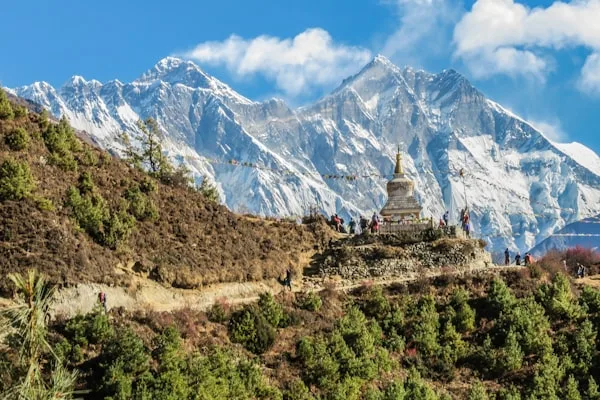
Nepal
Nepal is gaining recognition as an attractive destination for international students seeking quality education, affordable tuition fees, and a supportive learning environment. The country offers a wide range of academic programmes in fields such as medicine, engineering, management, information technology, education, and social sciences through recognised universities and higher education institutions. Students benefit from a balanced approach to learning that combines academic excellence, practical training, industry exposure, and skill development.
Known for its rich cultural heritage and diverse communities, Nepal provides an enriching international study experience that promotes personal growth and global awareness. Universities increasingly encourage research, innovation, internships, and field-based learning, helping students build strong professional competencies. In addition, dedicated student support services, including accommodation assistance, academic counselling, and orientation programmes, contribute to a smooth transition into university life. With its combination of affordability, recognised qualifications, and career-focused education, Nepal continues to attract students from around the world.
Key Highlights of Nepal
Requirements In Nepal
International students planning to study in Nepal should prepare their academic qualifications, financial documents, and visa requirements well in advance of the application deadline. Admission criteria can vary between universities, programmes, and study levels, so applicants should always review the latest guidelines provided by their chosen institution and the relevant immigration authorities.
Academic Requirements
For undergraduate programmes, students are generally required to have successfully completed higher secondary education or an equivalent qualification recognised by the university. Applicants seeking admission to postgraduate programmes typically need a recognised bachelor's degree in a related field. Certain professional programmes, including medicine, engineering, management, and healthcare disciplines, may have additional eligibility criteria such as entrance examinations, subject-specific prerequisites, interviews, or minimum academic scores.
English Language Requirements
Many universities in Nepal offer programmes taught in English and may require proof of English language proficiency. Accepted tests often include IELTS, TOEFL, PTE, or other recognised English assessments. In some cases, universities may waive this requirement if the applicant's previous education was completed in English, subject to institutional policies and document verification.
Visa Requirements
International students must obtain the appropriate student visa before commencing their studies in Nepal. A valid passport, official admission letter, completed visa application form, passport-sized photographs, and supporting documents are typically required. Visa approval generally depends on the student's academic purpose, financial capability, and compliance with immigration regulations.
Financial Documents
Applicants may be required to demonstrate sufficient financial resources to cover tuition fees, accommodation costs, and living expenses during their studies. Supporting documents may include recent bank statements, sponsor declarations, scholarship awards, income certificates, or approved education loan documentation.
Application Documents
Most universities request academic transcripts, educational certificates, passport copies, statement of purpose (SOP), recommendation letters, curriculum vitae (where applicable), English language test scores, and passport-sized photographs. Some programmes may also require portfolios, research proposals, professional experience certificates, or entrance examination results. Preparing complete and accurate documentation can help ensure a smooth application and admission process.
Cost of Living In Nepal
Nepal is considered one of the more affordable study destinations in South Asia, making it attractive for international students seeking quality education at a reasonable cost. Living expenses vary depending on the city, accommodation preferences, lifestyle choices, and personal spending habits. Students should create a realistic monthly budget and keep additional funds available for emergencies, study materials, travel, and unexpected expenses.
Accommodation
Accommodation is typically the largest monthly expense for students. Options include university hostels, private apartments, shared flats, and homestay arrangements. Depending on the city and type of accommodation, monthly rent generally ranges from USD 70 to USD 220. Shared accommodation is often the most budget-friendly choice and can help students reduce overall living costs.
Food and Daily Expenses
Food costs in Nepal are relatively affordable compared to many international study destinations. Students can expect to spend approximately USD 80 to USD 180 per month on meals and groceries. Cooking at home, dining at student-friendly cafeterias, and sharing grocery expenses with roommates can help keep food costs manageable while maintaining a healthy lifestyle.
Transportation
Most cities in Nepal offer affordable transportation options, including local buses, taxis, ride-sharing services, and walking routes. Monthly transportation expenses typically range from USD 15 to USD 50, depending on commuting distance and travel frequency. Students living close to campus can significantly reduce their transportation costs.
Healthcare and Insurance
International students should ensure they have adequate healthcare coverage during their studies. Depending on university requirements and visa conditions, health insurance and basic medical expenses may cost approximately USD 50 to USD 200 per year. Having appropriate insurance can provide financial protection and peace of mind in case of medical emergencies.
Personal Expenses
Additional costs may include mobile phone bills, internet services, clothing, entertainment, personal care items, and study materials. These expenses generally range from USD 50 to USD 120 per month. Students who manage their finances responsibly can maintain a comfortable lifestyle without exceeding their budget.
Estimated Monthly Budget
On average, international students may require between USD 250 and USD 600 per month to cover accommodation, food, transportation, healthcare, and personal expenses. Actual costs will depend on individual lifestyle choices and the city of study. Careful budgeting and smart spending habits can help students enjoy a rewarding and financially sustainable study experience in Nepal.
Cost of Studying In Nepal
Nepal is widely recognised as an affordable study destination for international students seeking quality education at a reasonable cost. The overall cost of studying depends on factors such as the university, programme type, course duration, location, and personal lifestyle. Students should carefully evaluate tuition fees, accommodation expenses, and scholarship opportunities before making a final decision about their study plans.
Tuition Fee Range
Tuition fees in Nepal vary between public universities, private institutions, medical colleges, and specialised professional schools. Programmes that involve laboratory work, clinical training, practical sessions, or specialised facilities generally have higher fees than theory-based courses. International students are advised to confirm the latest fee structure directly with their chosen university.
Undergraduate Costs
For undergraduate studies, annual tuition fees typically range from approximately USD 1,000 to USD 4,000. Courses in business, humanities, education, and social sciences are often among the more affordable options. Programmes in engineering, information technology, healthcare, and applied sciences may involve higher tuition due to practical training and specialised infrastructure requirements.
Postgraduate Costs
Master's and postgraduate programmes generally cost between USD 1,200 and USD 5,000 per year, depending on the institution and field of study. Research-oriented programmes may offer academic grants, scholarships, or assistantship opportunities for eligible students. Costs can also vary based on programme duration and research requirements.
Professional Courses
Professional programmes such as MBBS, Nursing, Engineering, MBA, Hospitality Management, Aviation, Data Science, and other specialised fields usually involve higher tuition fees. In addition to tuition, students should budget for laboratory charges, clinical training, professional certifications, study materials, licensing examinations, and other course-related expenses that may arise throughout their studies.
Cost Variation by University and Location
Study costs can differ significantly between cities and institutions. Universities located in major academic centres such as Kathmandu may have higher tuition fees and associated living costs than those in smaller cities or regional areas. Students who secure scholarships, tuition discounts, or financial assistance may be able to substantially reduce their overall educational expenses.
Planning Your Education Budget
A well-planned budget helps students manage their finances effectively throughout their studies. By comparing universities, exploring scholarship opportunities, and understanding all associated costs before enrolment, international students can make informed decisions and enjoy a financially sustainable study experience in Nepal.
Work Opportunities & Post-Study Job & Visa in Nepal
Work opportunities in Nepal can help international students gain practical experience, develop professional skills, and better understand workplace expectations in a different cultural environment. While academic studies should remain the primary focus, internships, training programmes, and industry exposure can significantly enhance a student's career prospects and professional development.
Part-Time Work Opportunities
International students should carefully review the conditions of their student visa and consult both their university and immigration authorities regarding employment permissions. Work regulations can vary depending on nationality, programme type, and visa category. Understanding these requirements before accepting any employment is essential to ensure compliance with local laws and immigration policies.
Internship Opportunities
Many universities and organisations in Nepal encourage students to participate in internships, practical training, and project-based learning. Opportunities may be available through hospitals, non-governmental organisations (NGOs), tourism companies, hospitality groups, research institutions, technology firms, engineering organisations, and community development projects. Internships allow students to apply classroom knowledge in real-world settings while building valuable professional networks.
Graduate Employment Prospects
Graduates can explore career opportunities across sectors such as healthcare, education, tourism, information technology, business management, finance, engineering, and development organisations. Employers often look for candidates who possess strong communication skills, practical experience, digital competencies, adaptability, and a solid academic foundation. Students who actively develop these skills during their studies may have stronger employment outcomes after graduation.
Post-Study Career Pathways
Post-study employment opportunities in Nepal depend on current immigration regulations, labour market demand, professional licensing requirements, and employer sponsorship options. Students interested in remaining in Nepal after graduation should stay informed about relevant immigration policies and employment procedures, as regulations may change over time.
Career Development and Professional Growth
Successful career planning begins early. Students are encouraged to create a professional CV, attend career fairs, participate in networking events, connect with faculty members, and pursue internship opportunities throughout their studies. Developing industry-relevant skills and gaining practical experience can improve employability and help graduates transition more confidently into their chosen careers.
Scholarships In Nepal
Scholarships can play an important role in making education in Nepal more affordable for international students. While tuition fees and living costs are generally lower than in many popular study destinations, financial assistance can further reduce the overall cost of education. Students are encouraged to research scholarship opportunities early, maintain strong academic performance, and submit complete applications before the specified deadlines.
Government Scholarships
The Government of Nepal and various educational cooperation programmes may offer scholarships to eligible international students. These awards are often based on academic merit, bilateral agreements, cultural exchange initiatives, or development-focused partnerships between countries. Eligibility criteria vary depending on nationality, programme level, and field of study.
University Scholarships
Many universities in Nepal provide scholarships, tuition fee waivers, and financial incentives for outstanding students. Some institutions automatically consider applicants for scholarship opportunities during the admission process, while others require a separate application. International students should review the scholarship policies of their chosen universities to understand available funding options.
Merit-Based Scholarships
Merit-based scholarships are commonly awarded to students who demonstrate excellent academic achievement, strong English language proficiency, leadership qualities, extracurricular involvement, or exceptional performance in previous studies. These awards recognise student excellence and can significantly reduce tuition expenses throughout the course duration.
Need-Based Financial Support
Some universities and educational organisations may offer limited financial assistance to students facing genuine financial challenges. Applicants may be required to submit supporting documents such as income certificates, bank statements, sponsor information, or financial declarations as part of the evaluation process.
Scholarship Application Tips
Students can improve their chances of receiving financial support by maintaining strong grades, preparing a compelling statement of purpose, obtaining quality recommendation letters, and applying well before scholarship deadlines. Careful planning and proactive research can help international students identify suitable funding opportunities and make studying in Nepal even more affordable.
Intakes In Nepal
Nepal offers multiple admission intakes throughout the year, providing international students with flexibility when planning their higher education journey. The availability of specific intakes depends on the university, programme, and academic calendar. Students are encouraged to begin their preparation at least six to twelve months before their preferred intake to allow sufficient time for applications, document preparation, and visa processing.
Major Intakes
Most universities in Nepal commonly offer admissions during the February/March, July/August, and September/October intake periods. However, not every programme is available in all admission cycles. Popular courses such as Medicine, Engineering, Business Administration, Information Technology, and Health Sciences often receive a high volume of applications and may reach capacity well before the deadline. Early application can significantly improve admission prospects.
Application Timeline
A successful application process begins with researching universities and selecting suitable programmes. Students should review admission requirements, confirm eligibility, prepare academic transcripts, gather supporting documents, and arrange English language proficiency results if required. Most universities accept applications several months before the commencement of classes, making early planning essential.
Visa and Pre-Departure Preparation
After receiving an admission offer, students should focus on completing important formalities such as tuition fee payments, student visa applications, financial documentation, accommodation arrangements, travel bookings, and health-related requirements. Completing these steps in advance can help avoid unnecessary delays and ensure a smoother transition to university life.
Benefits of Applying Early
Applying early offers several advantages, including greater programme availability, increased access to scholarship opportunities, and sufficient time for visa processing. It also allows students to plan their relocation carefully and settle into their new academic environment with confidence. A well-organised application strategy can make the entire admission process more efficient and less stressful for international students choosing Nepal as their study destination.