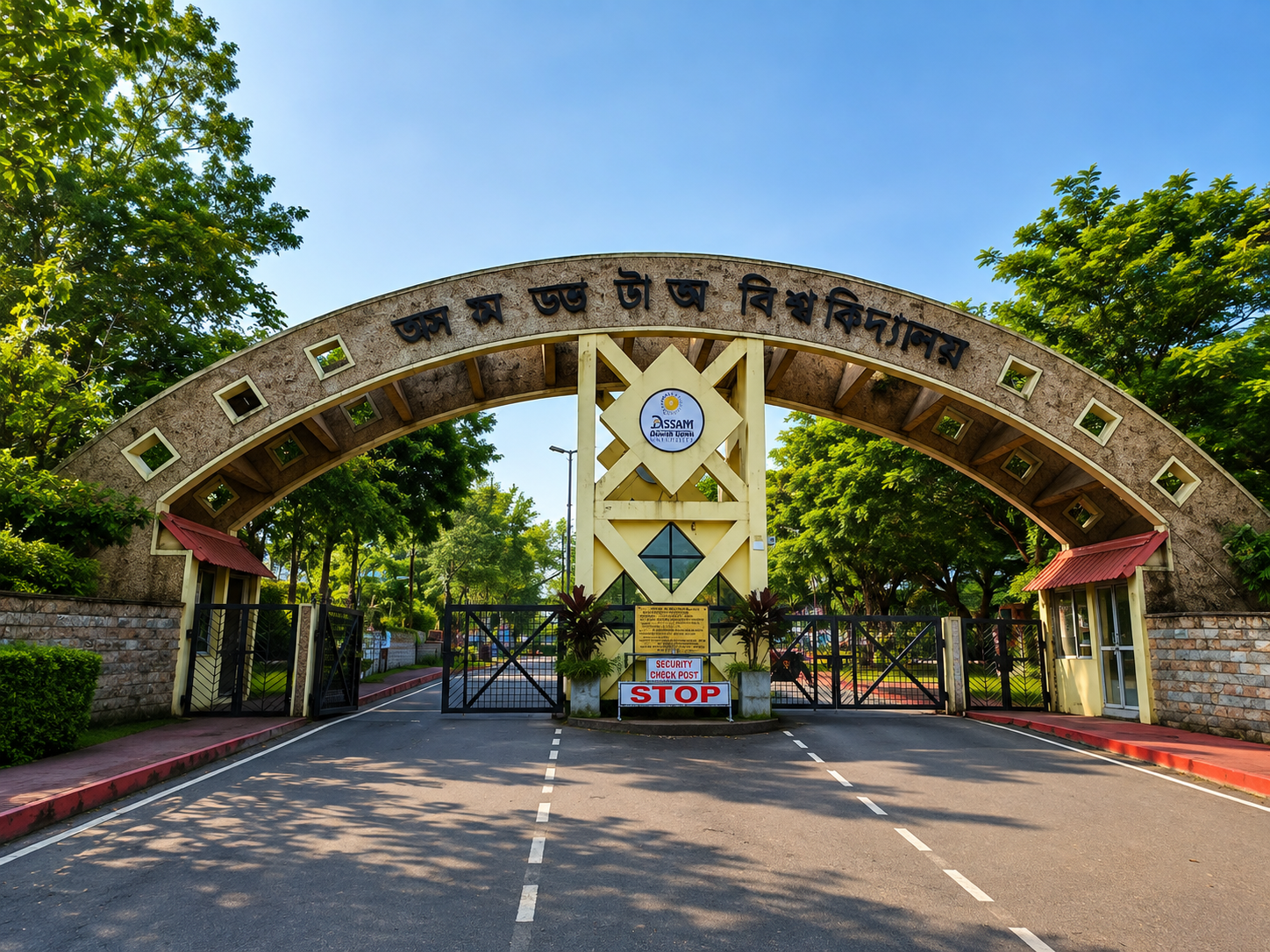
B.Sc Physics Course Overview 2026
B.Sc Physics is a undergraduate programme for students who want a strong academic and career-focused foundation in Physics. The course is placed under the Basic Science stream and is designed to balance conceptual learning with practical understanding. Students are introduced to the principles, tools, methods and professional practices that are commonly required in the field. The curriculum usually includes classroom learning, assignments, projects, seminars, case discussions, laboratory sessions, workshops or field exposure depending on the nature of the course. This makes the programme useful for learners who want more than textbook knowledge and are looking for employable, future-ready skills.
The main objective of B.Sc Physics is to help students understand scientific concepts, laboratory work, analytical thinking and research-oriented learning. In 2026, employers and universities increasingly prefer candidates who can combine subject knowledge with communication, digital awareness, analytical ability and problem-solving. This programme therefore supports both academic growth and professional development. Students learn how to observe, analyse, document, present and apply knowledge in real situations. The learning approach may include internal assessments, practical files, viva, presentations, internships, dissertations or industry-linked activities as per university norms.
Eligibility and Admission Requirements
The basic eligibility for B.Sc Physics is 10+2 in PCM/PCB.. Students should have completed the required qualification from a recognised board, university or equivalent institution. For admission, many colleges consider merit in the qualifying examination, entrance test scores, counselling performance, interview, document verification or a combination of these. Academic percentage requirements may differ by university, state and category. Usually 17 years or above at the time of admission; upper age limit, if any, depends on university or council norms. Candidates should also check whether any regulatory body, professional council or university-specific rule applies before final admission.
Duration and Average Fee Range
The duration of B.Sc Physics is 3 Years. The average fee range in India is generally around 0.35 Lakhs to 5.58 Lakhs, depending on the institution type, location, facilities, university affiliation, laboratory or studio infrastructure, internship support, placement services and hostel or examination charges. Government institutions are usually more affordable, while private and specialised institutions may charge higher fees because of infrastructure, industry exposure and student support services. Students should compare tuition fees, registration charges, examination fees, scholarship options and refund policy before taking admission.
Learning Opportunities
During the course, students develop a strong base in Physics along with professional skills needed for the current job market. The programme may cover subject fundamentals, applied concepts, practical training, research orientation, report writing, project development, teamwork and ethical practice. Students are encouraged to build a portfolio of learning through assignments, internships, seminars, workshops or practical records. For technology, healthcare, management, science, design, media and professional courses, hands-on learning is especially important because it improves confidence and employability.
Career Opportunities
After completing B.Sc Physics, students can explore roles such as Research Assistant, Lab Analyst, Teacher, Data Analyst, Scientific Officer. Career opportunities are available across research labs, education, analytics, industry, government projects and higher studies. Graduates may also choose higher studies, professional certifications, government exams, research programmes or entrepreneurship depending on their interests. Students who build practical skills, communication ability, internships and updated industry knowledge generally have better career outcomes. This course can also act as a foundation for specialised postgraduate study, doctoral research or interdisciplinary careers.
B.Sc Physics is a suitable choice for learners who want structured education, practical exposure and long-term growth in Physics. With the right college, consistent academic performance and active skill development, students can use this programme to build a meaningful career in India and abroad.