
Government Law College Mumbai is a prominent higher-education institution in Mumbai, Maharashtra. It serves students seeking structured academic training, recognised qualifications and access to a learning environment connected with professional practice. The institution operates under UGC, BCI recognition as applicable to its programmes. Its location gives learners access to academic networks, professional organisations and public services in and around Mumbai. Applicants should check the latest prospectus for course-wise eligibility, seat matrix, reservation rules and counselling requirements before applying.
Academic delivery at Government Law College Mumbai is built around classroom teaching, tutorials, practical work, continuous assessment and faculty mentoring. Departments typically combine foundational concepts with advanced subjects so students can progress from theory to application. Curriculum revision, invited lectures, seminars and interdisciplinary electives help learners understand current professional expectations. Assessment may include examinations, projects, presentations, laboratory or clinical work and research-based assignments. Students are encouraged to use faculty office hours, academic support systems and peer-learning opportunities to strengthen subject knowledge and communication skills.
The institution offers integrated undergraduate law, postgraduate law and doctoral programmes. Availability differs by department, intake and regulatory approval, so candidates should verify the active programme list during the admission cycle. Entry is generally linked with CLAT, AILET, CUET, LSAT India, Institute Entrance Exam, followed by counselling, document verification or institution-specific selection where applicable. Before choosing a course, students should compare curriculum structure, specialisations, duration, internship requirements, total fees and progression options. This helps ensure that the selected programme aligns with long-term career plans rather than only an entrance score or brand preference.
Professional exposure is developed through moot courts, legal-aid clinics, internships with law firms, courts, chambers, companies, policy organisations and civil-society institutions. These activities help students understand workplace standards, documentation, teamwork, ethics and problem-solving beyond the classroom. Many departments also invite practitioners, alumni and domain specialists for workshops or career sessions. The actual number and quality of opportunities can differ by programme and student performance. Learners are therefore advised to build portfolios, participate in competitions, maintain strong academic records and apply early for internships instead of depending only on the central placement or training office.
The learning ecosystem generally includes academic blocks, law libraries, moot-court halls, seminar rooms, hostels, sports facilities and digital legal databases. Facilities are intended to support academic work, residential life and co-curricular development. Access rules, hostel availability and equipment vary across departments and campuses. Prospective students should review the latest campus information, hostel policy, mess charges, library timings, accessibility provisions and medical support before confirming admission. A campus visit, when possible, can provide a clearer understanding of travel, accommodation, classroom capacity and the day-to-day student experience.
Career outcomes at Government Law College Mumbai depend on the programme, graduating batch, market conditions and individual preparation. The institution supports law-firm recruitment, litigation, judicial services, corporate legal roles, policy work, academia and competitive examinations. Published placement figures should be read carefully because the definition of eligible students, participating students and offers may differ across reports. Candidates should prioritise audited or official placement reports and avoid treating a single highest package as the typical outcome. Strong fundamentals, internships, projects, communication skills and interview preparation remain important contributors to employability and postgraduate progression.
Student life extends beyond formal classes through clubs, societies, cultural programmes, sports, volunteering, competitions and student-led events. These activities allow learners to develop leadership, teamwork and time-management skills while interacting with peers from different regions and backgrounds. Academic calendars can be demanding, so students benefit from balancing extracurricular participation with attendance and assessment requirements. Hostel communities, mentoring groups and campus services also play an important role in helping new students adapt to the institution and build professional networks.
Research at Government Law College Mumbai covers constitutional law, business law, technology law, public policy, human rights and justice delivery. Faculty and students may work on funded projects, publications, prototypes, field studies, policy analysis or clinical investigations depending on the discipline. Research centres and collaborations can provide exposure to advanced methods and real-world problems. Interested students should examine faculty profiles, laboratory or centre pages, recent publications and doctoral opportunities rather than relying only on broad promotional claims. Participation in research projects can strengthen analytical ability, postgraduate applications and understanding of evidence-based professional practice.
Overall, Government Law College Mumbai offers a structured environment for students who are prepared to engage consistently with academics, practical learning and professional development. Its value will vary according to the chosen programme, faculty access, peer group, facilities and the students own initiative. Applicants should compare official fees, scholarships, entrance cut-offs, accreditation status, hostel arrangements and recent outcome reports before making a decision. A careful course-level comparison will give a more realistic picture than judging the institution only by reputation, location or a headline placement figure.
 Government
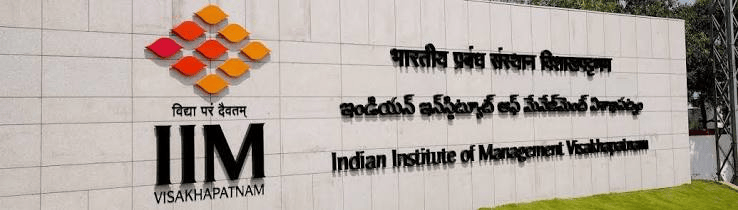
Indian Institute of Management Visakhapatnam in Visakhapatnam, Andhra Pradesh, offers MBA, executive management and doctoral programmes with recognition from Institute of National Importance. Students benefit from case-b...
 Government
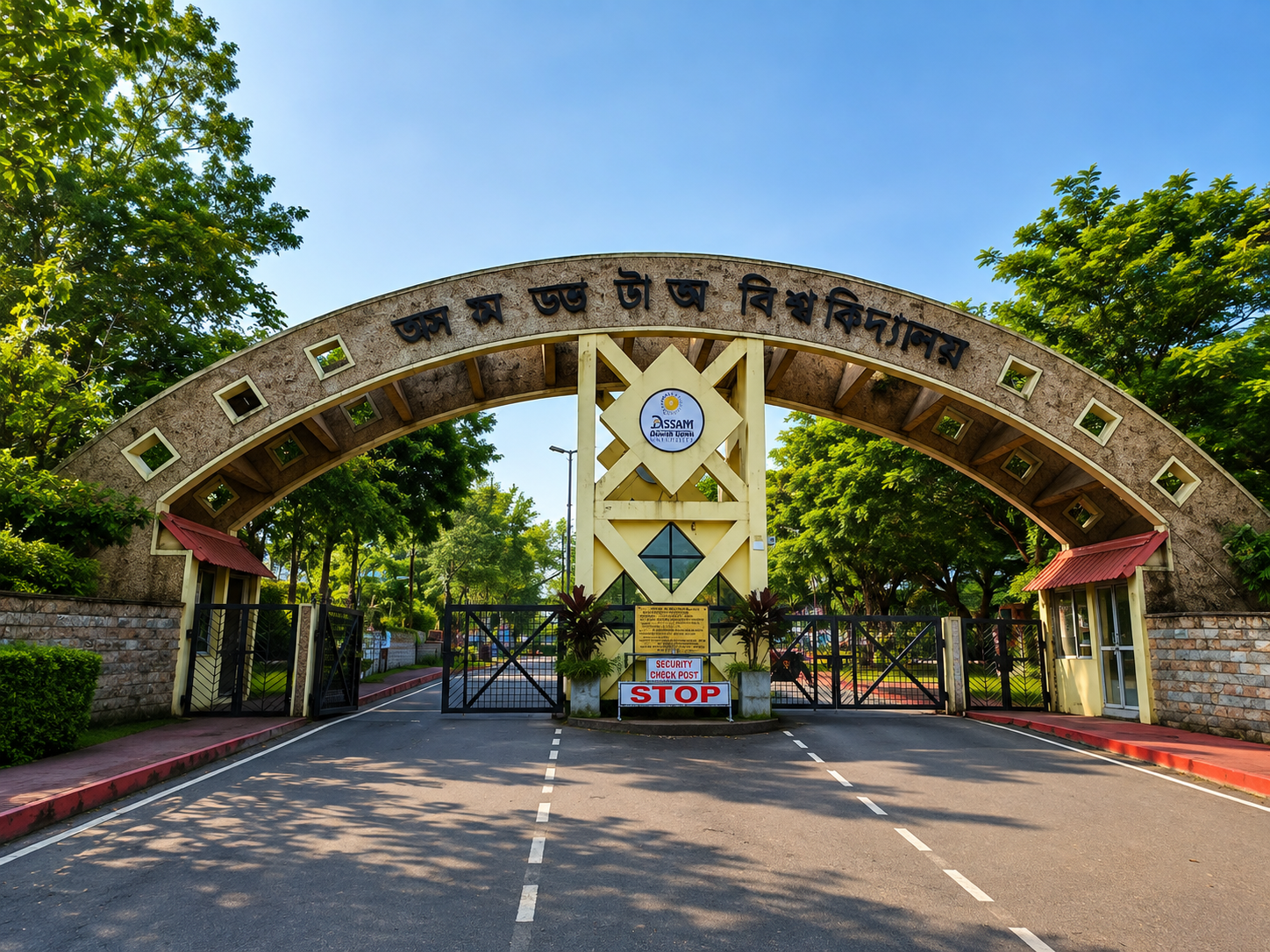
Assam University in Silchar, Assam, offers humanities, sciences, engineering, management, law, pharmacy and doctoral programmes with recognition from UGC, AICTE, PCI, BCI, NCTE. Students benefit from a scenic 600-acre ca...
 Government
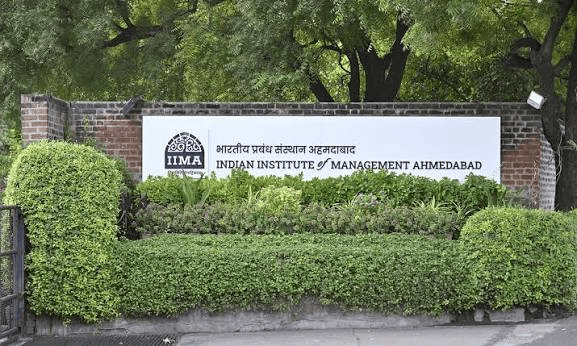
Indian Institute of Management Ahmedabad in Ahmedabad, Gujarat, offers MBA, food and agribusiness management, executive education and doctoral programmes with recognition from Institute of National Importance, EQUIS. Stu...