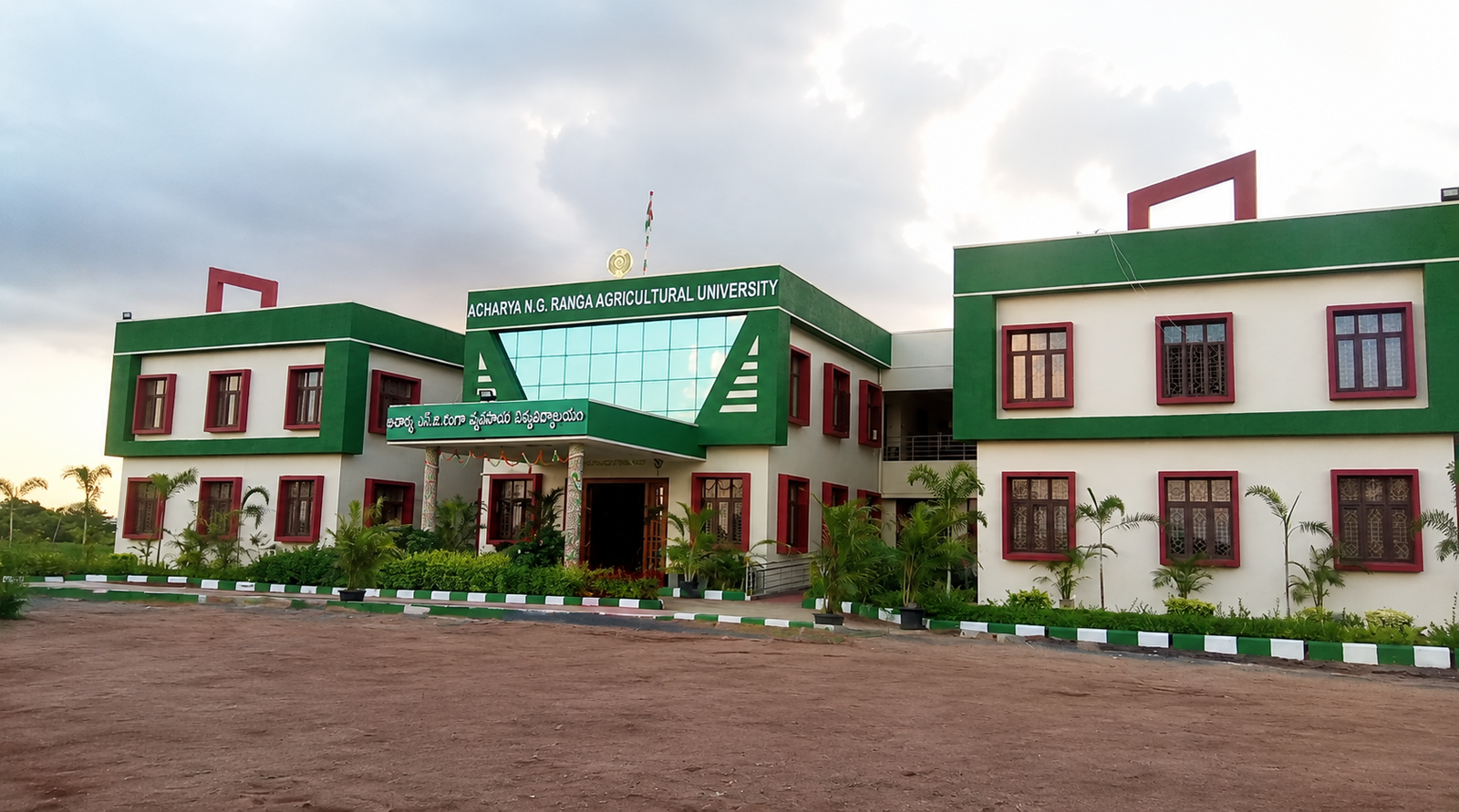
Acharya N. G. Ranga Agricultural University
📍 Guntur , Andhra Pradesh · Established 1964
Acharya N. G. Ranga Agricultural University is a state agricultural university based in Guntur, Andhra Pradesh. The institution is built around region-focused agricultural education, extension work and applied research. Its academic environment connects classroom learning with experimental farms, laboratories, field demonstrations, extension programmes and direct interaction with farming communities. This makes the university relevant for students who want careers in agriculture, horticulture, agricultural engineering, agribusiness, food systems, rural development or scientific research.
The university is recognised through UGC, ICAR. Applicants should check the latest official prospectus because eligibility, seat distribution, reservation, counselling and fee rules can change by programme. Common admission routes associated with the university include AP EAPCET, AGRICET, ICAR AIEEA.
Academic delivery combines foundation sciences with crop production, soil science, genetics, plant breeding, agricultural economics, extension education and technology-led farming. Depending on the faculty and programme, students may also study entomology, plant pathology, biotechnology, seed science, food technology, forestry, fisheries, veterinary sciences, dairy technology or agricultural engineering.
The strongest feature of agricultural education here is its practical orientation. Students learn to interpret local production challenges rather than study agriculture only as theory. Farm visits, seasonal crop observations, laboratory exercises, village attachment, internships and project work help learners understand how scientific recommendations perform under real field conditions.
Acharya N. G. Ranga Agricultural University offers undergraduate, postgraduate and doctoral education across agriculture and allied disciplines. The exact list differs by constituent college and academic session, but the portfolio commonly includes B.Sc. (Hons.) Agriculture and specialised programmes in horticulture, forestry, community science, agricultural engineering, food technology, agribusiness or related areas. Postgraduate and doctoral options support deeper study in crop sciences, natural-resource management, agricultural economics, extension, biotechnology and other specialist fields.
The database estimate for the institution is 40+ programmes. Students should verify the current programme matrix, intake and campus allocation on the official university website before applying. Professional programmes may have separate regulatory, entrance-test or counselling requirements.
Industry exposure is developed through internships, experiential-learning modules, rural agricultural work experience, institutional visits and contact with agribusiness organisations. Students may engage with seed companies, fertiliser firms, food processors, farm-machinery businesses, banks, cooperatives, government departments, research institutes and development agencies.
The universitys extension network also acts as a practical learning platform. Field demonstrations, farmer training, soil and crop advisory work, technology transfer and outreach programmes allow students to see how research is communicated and adopted. This experience is especially useful for careers that require technical knowledge plus the ability to work with farmers, entrepreneurs and public institutions.
The learning infrastructure typically includes academic blocks, discipline-specific laboratories, a central or faculty library, computer facilities, hostels, sports areas and instructional farms. Research stations and field units support trials in crops, horticulture, livestock, water management and natural resources according to the universitys mandate.
The recorded campus-area information is Not publicly disclosed. Where a consolidated acreage is not publicly disclosed, the institution may operate through multiple colleges, research stations, farms and extension centres rather than a single compact campus. Students comparing facilities should review the specific college or campus allotted to their programme.
Career support generally focuses on campus interviews, employability training, entrepreneurship guidance, competitive-examination awareness and links with employers in agriculture and allied sectors. Typical career pathways include agricultural officer roles, research assistance, quality control, input marketing, rural banking, procurement, supply-chain operations, food processing, farm advisory services and higher education.
A verified university-wide highest package, average package and placement percentage are not consistently published in a comparable format. For this reason, those database fields are marked Not publicly disclosed rather than using unverified figures. Placement outcomes can vary substantially by programme, graduating batch, employer mix and whether students choose government examinations or postgraduate study.
Student life combines academic routines with farm activities, seminars, cultural events, sports, clubs, competitions and community outreach.
Research is closely connected to regional farming needs. Faculty and scholars may work on improved crop varieties, climate resilience, soil health, pest and disease management, water-use efficiency, protected cultivation, post-harvest technology, farm mechanisation and value-chain development. The universitys research and extension functions help convert experiments into recommendations for farmers and public agencies.
Innovation may also involve entrepreneurship cells, incubation support, farmer-producer organisations, digital agriculture, remote sensing, precision farming and market-linked technologies. Postgraduate students benefit most when they identify active departments, funded projects, specialised laboratories and faculty research areas before selecting a programme.
Acharya N. G. Ranga Agricultural University offers a specialised learning environment for students who want agriculture to be the centre of their education rather than a minor subject. Its combination of teaching, research, farms and extension exposure supports both scientific and field-oriented career goals. The overall fee range is listed as Approx. Min Rs 0.40 Lakh to Max Rs 2.50 Lakh; this is an indicative range across programmes and must be checked against the latest official fee notification.
For admission decisions, students should compare the exact course curriculum, accreditation status, faculty expertise, campus location, hostel availability, scholarship rules and recent placement evidence. The official website, https://angrau.ac.in, remains the primary reference for current notices and programme-specific information.
7 programs are available at this institution. Click any course for full details.
 AGRICULTURE
B.Sc Agriculture builds a strong foundation in agriculture with emphasis on scientific farming, field skills a...
 BASIC SCIENCE
B.Sc Botany builds a strong foundation in botany with emphasis on conceptual clarity, research ability and ana...
 BASIC SCIENCE
B.Sc Environmental Science builds a strong foundation in environmental science with emphasis on conceptual cla...
 BASIC SCIENCE
B.Sc Genetics & Genomics builds a strong foundation in genetics and genomics with emphasis on conceptual clari...
 BASIC SCIENCE
B.Sc Microbiology builds a strong foundation in microbiology with emphasis on conceptual clarity, research abi...
 BASIC SCIENCE
B.Sc Zoology builds a strong foundation in zoology with emphasis on conceptual clarity, research ability and a...
 AGRICULTURE
M.Sc Agriculture (Agronomy) deepens expertise in agriculture agronomy through advanced theory, practical learn...
 Central
All India Institute of Medical Sciences New Delhi, located in New Delhi, Delhi, offers medical, allied-health, postgraduate and research programmes under NMC, UGC recognition. Students benefit from teaching hospitals, cl...
 Private
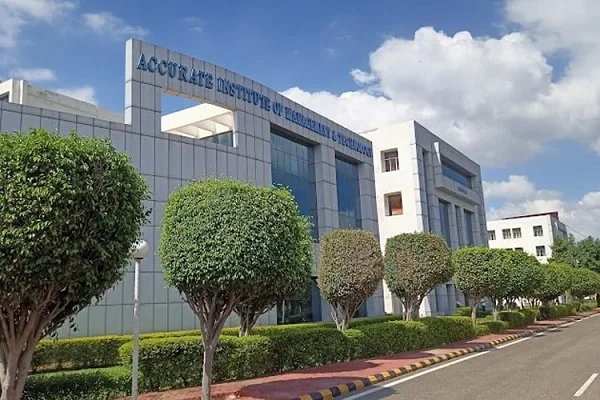
Accurate Group of Institutions (AGI) is a private college in Greater Noida, started in 2006 and affiliated to AKTU and CCSU. With a NAAC B++ grade, it offers engineering, management, law, pharmacy and more on one campus....
 Private
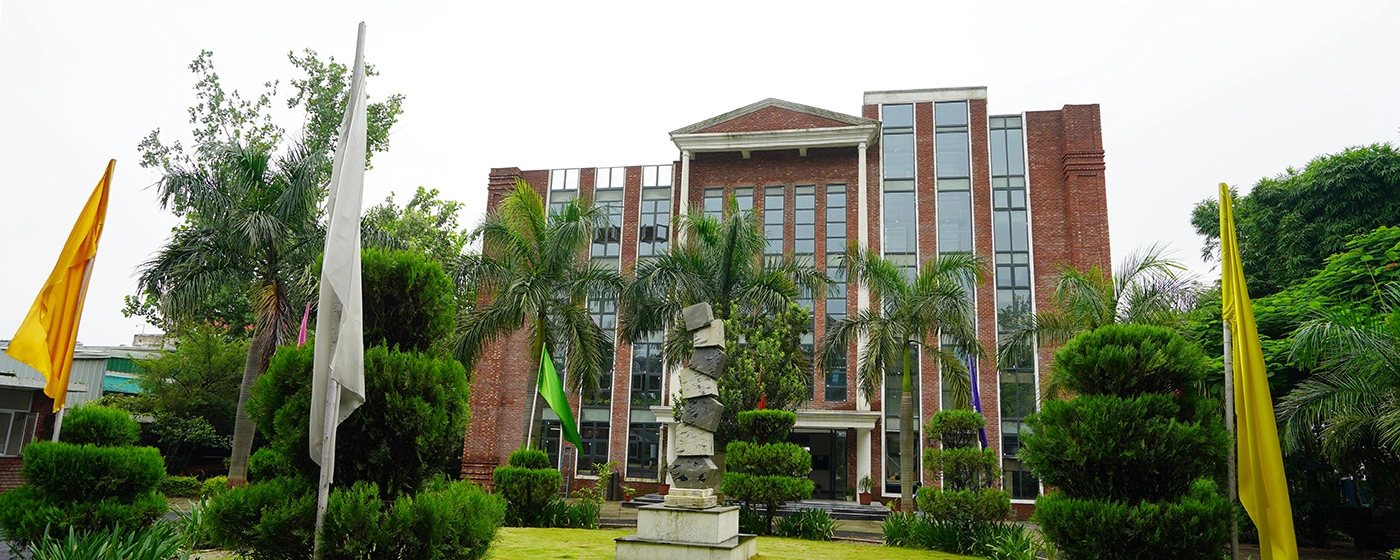
DBS Global University (DGU), formerly Doon Business School, is a private university in Dehradun set up in 2007. Approved by UGC and AICTE, it is best known for its MBA and offers management, law, media, science and more....